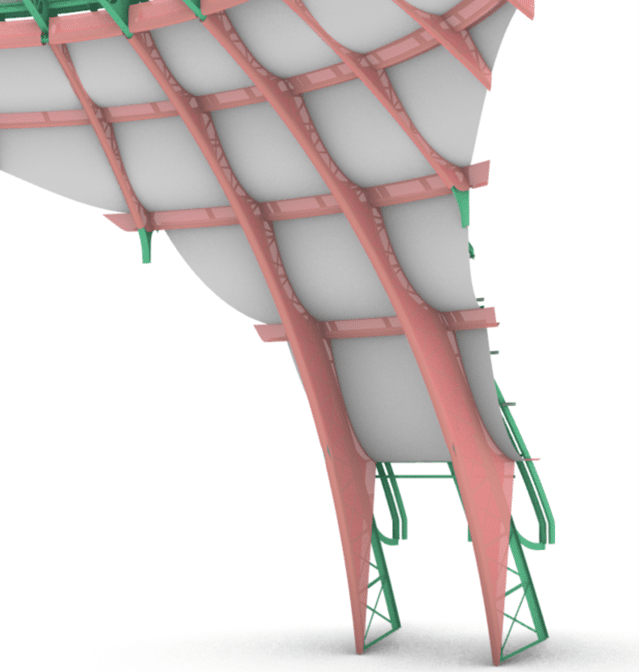
Contracting authority : Paris 2024 Architects : Paris 2024 Company : Taiyo/TESS Surface area : 17 000 m² of fabric Phases : Studies : 2022 – 2023 / Construction phase : 2023-2024
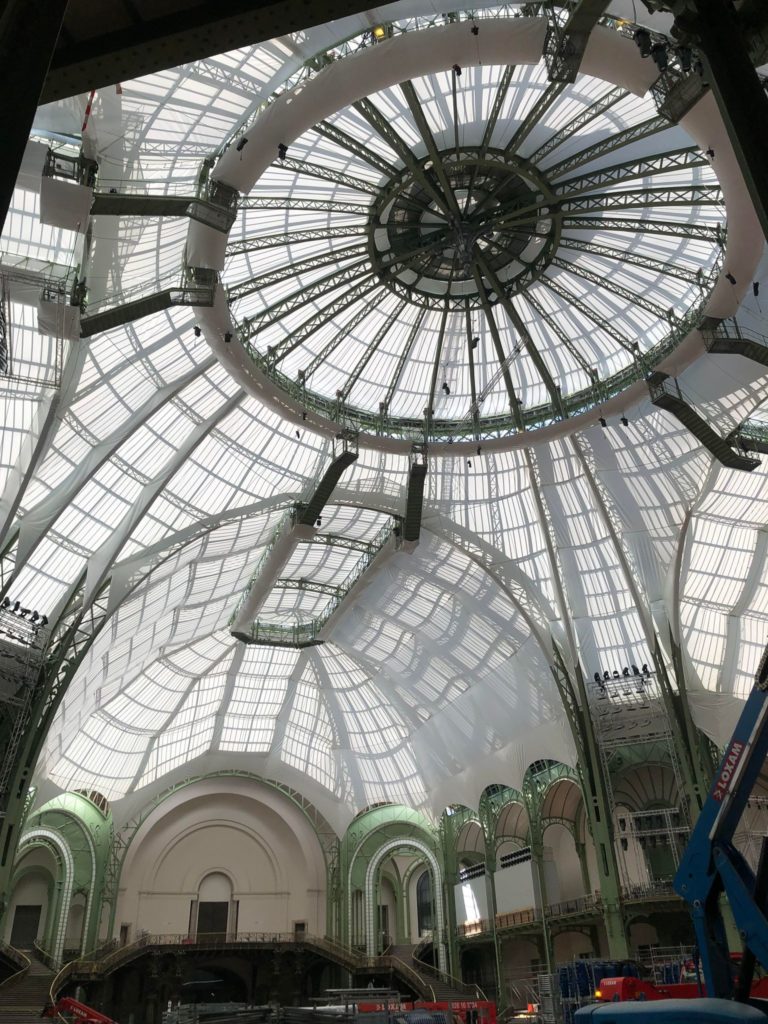
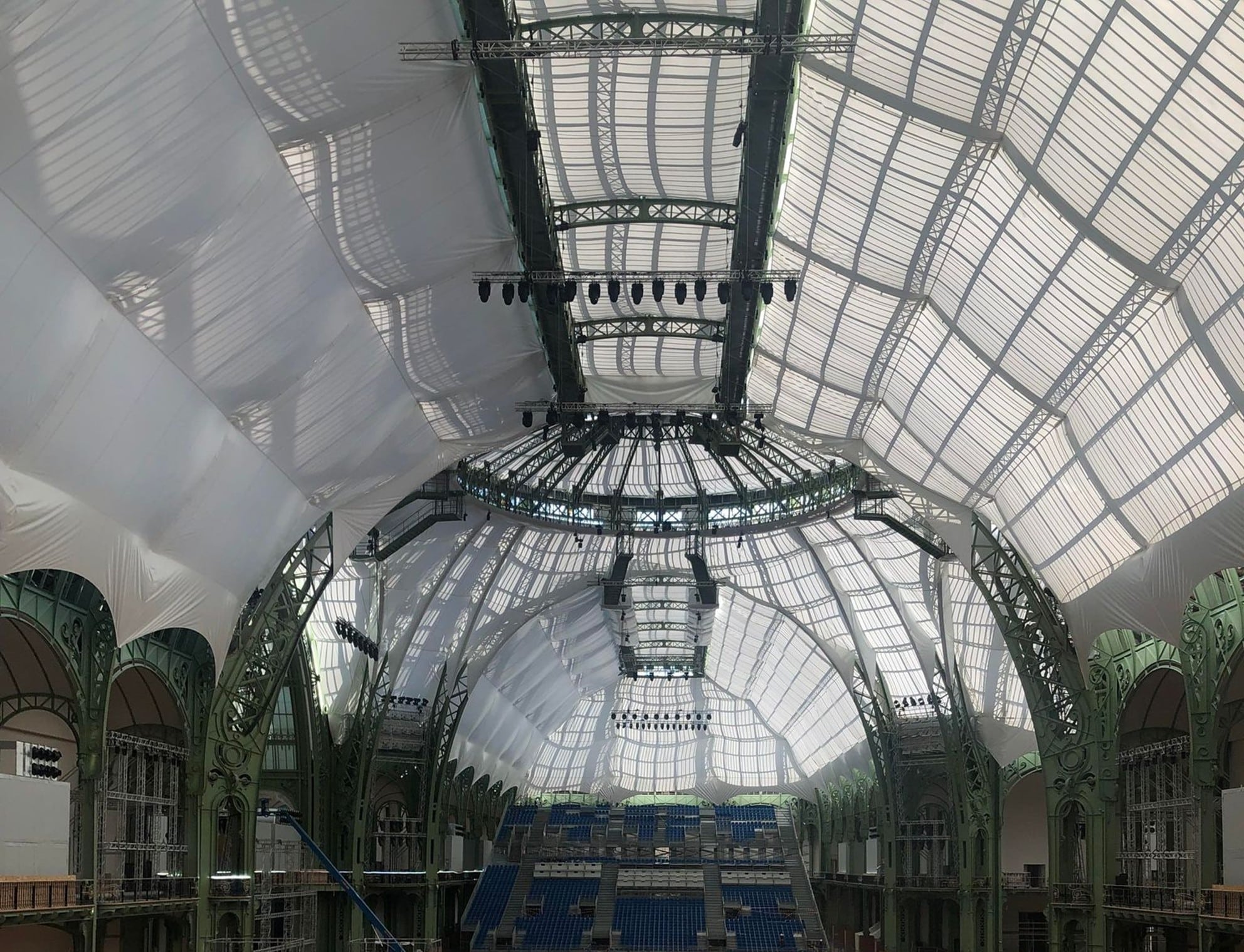
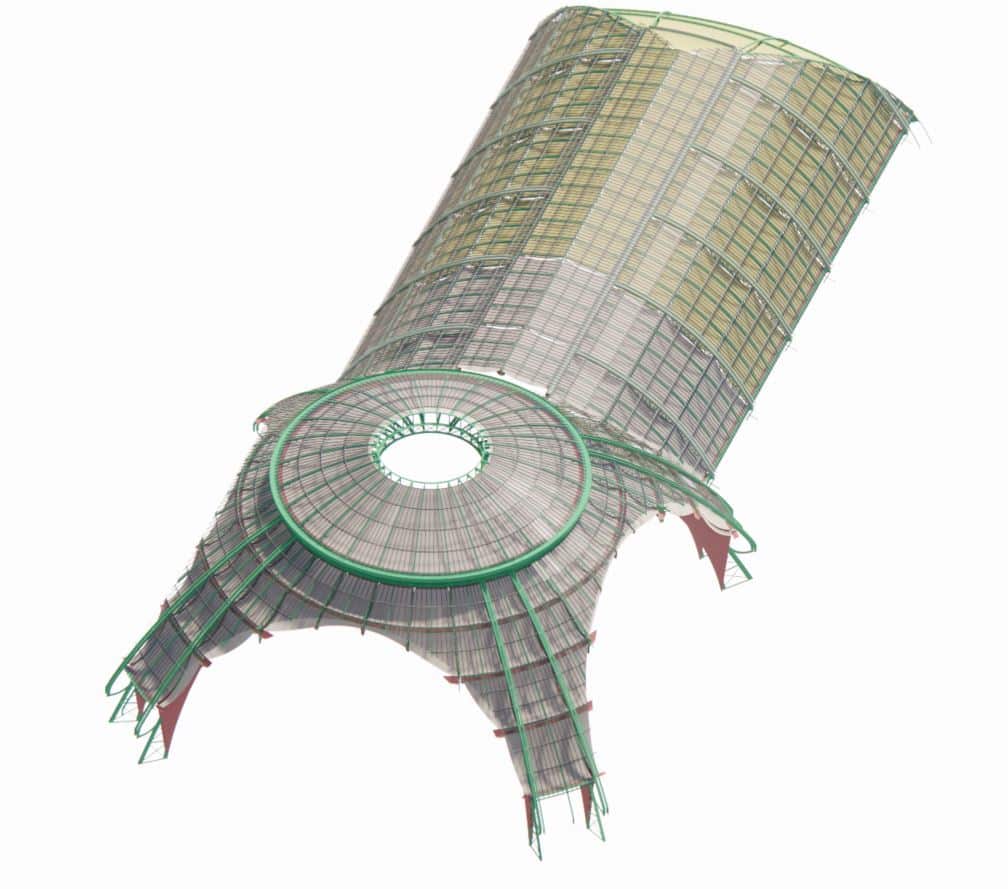
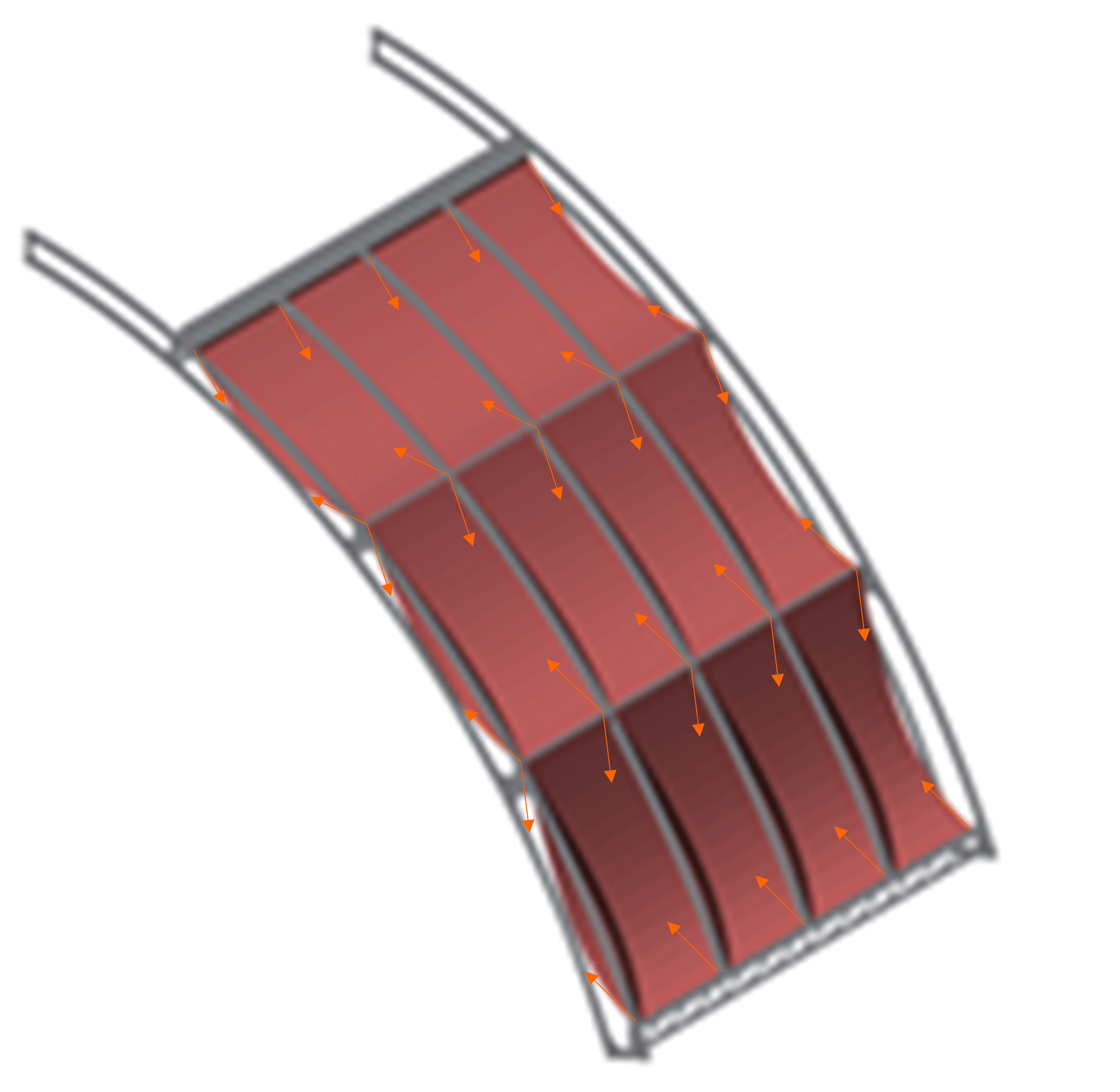
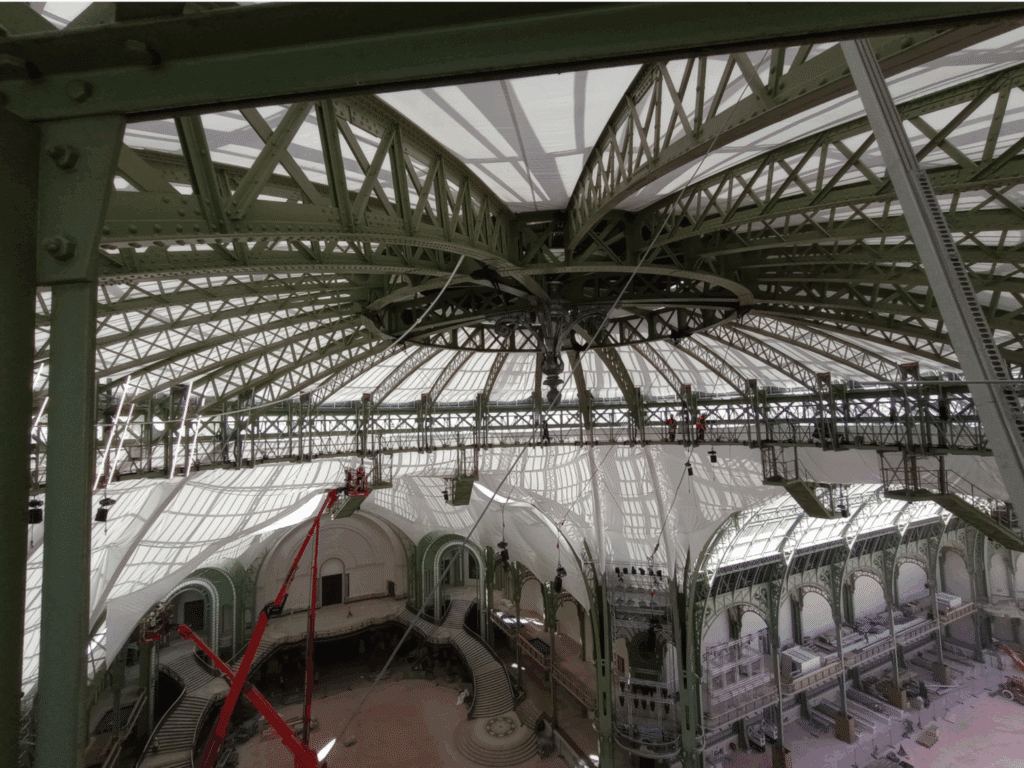
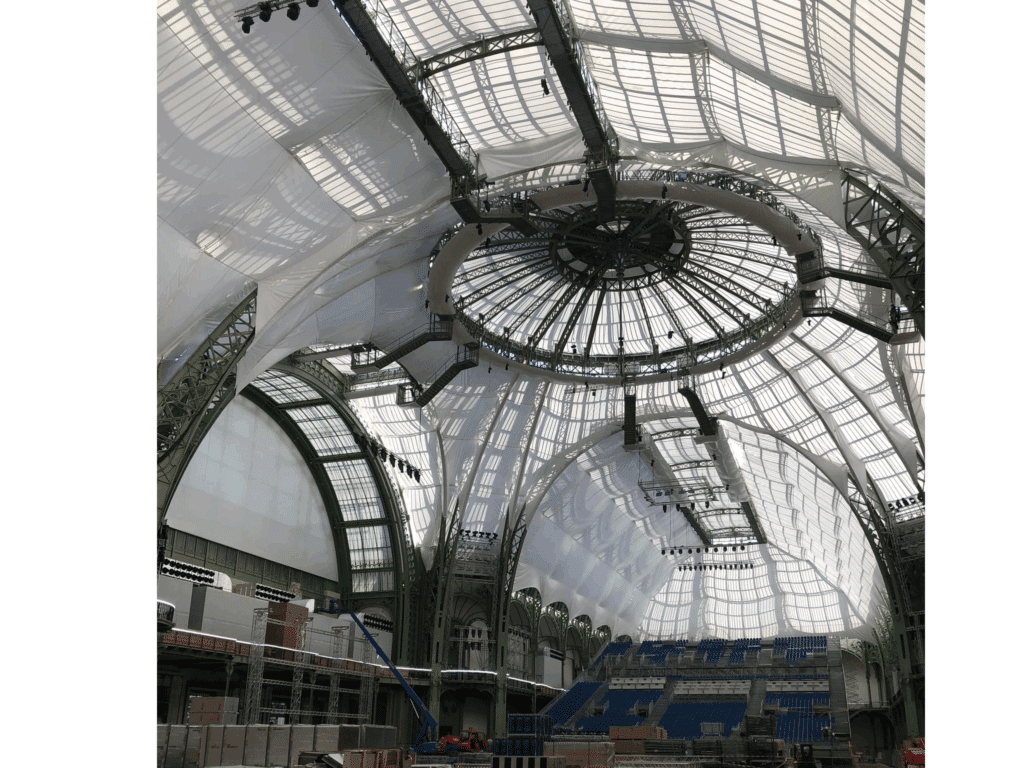
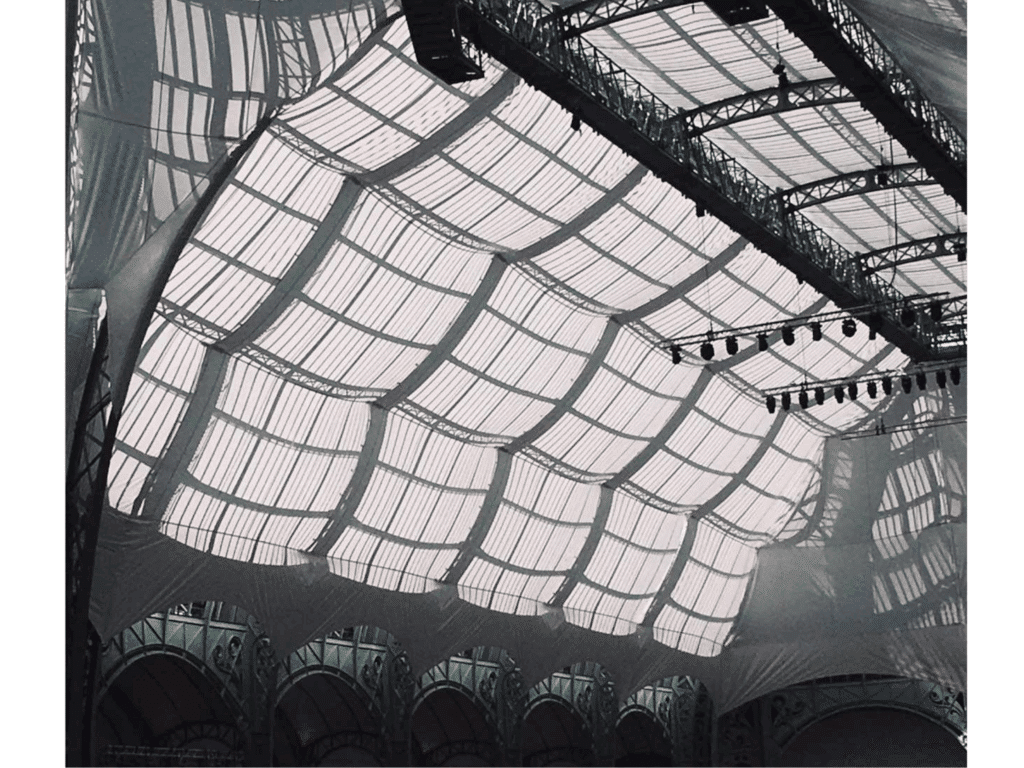
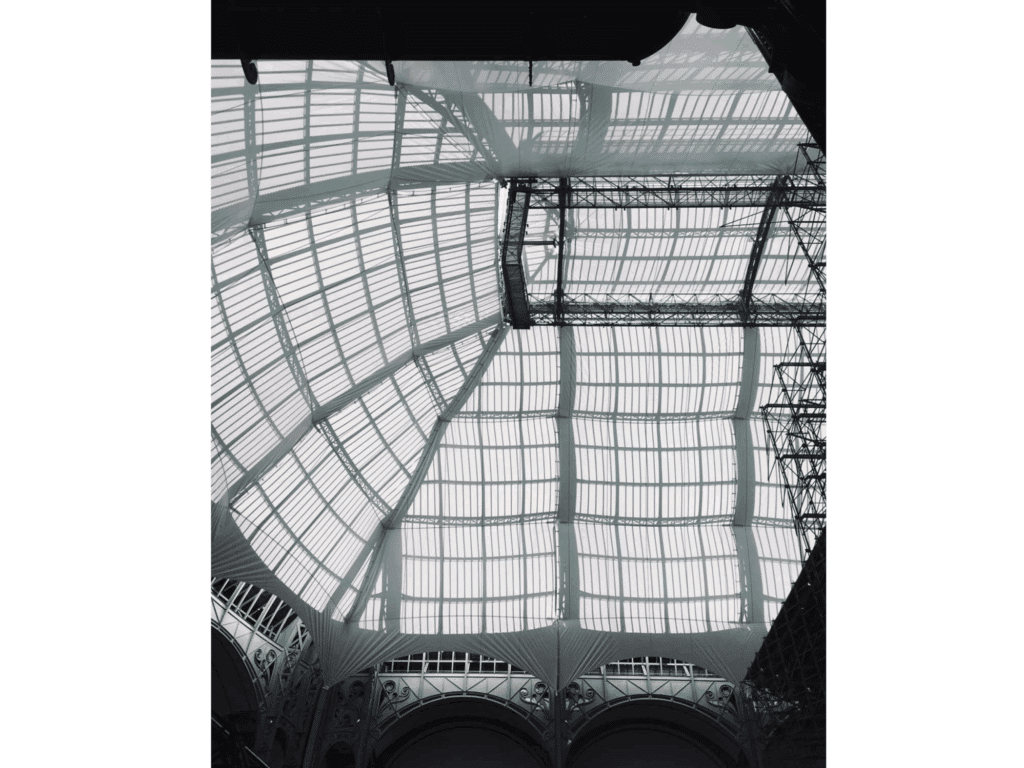
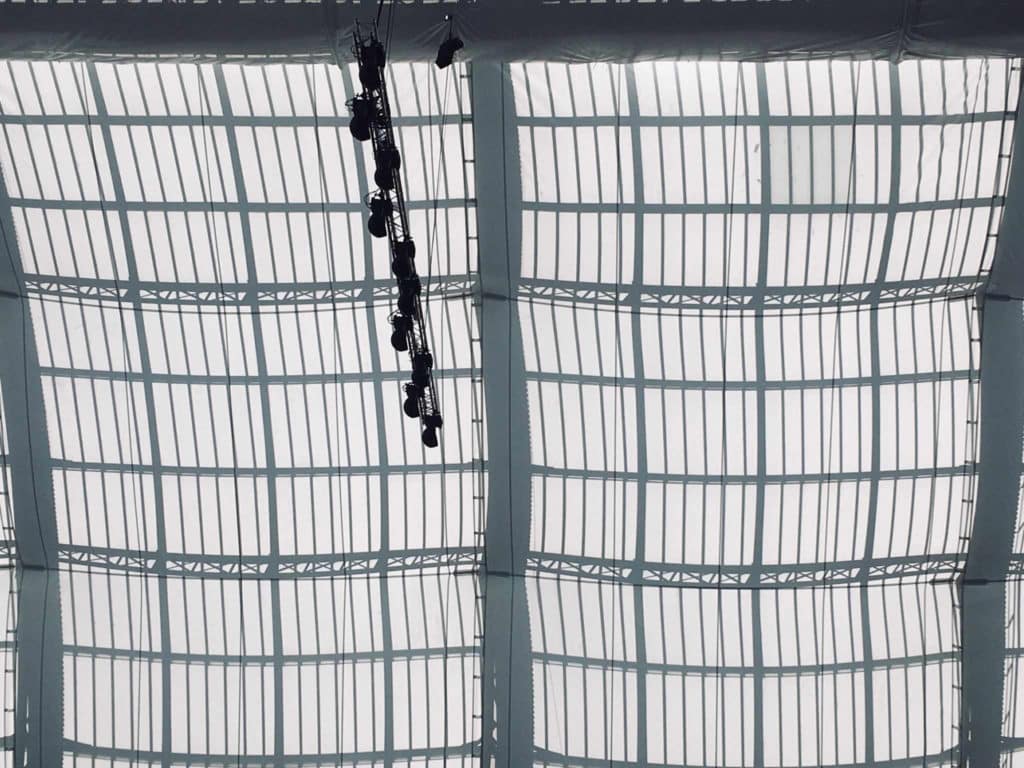
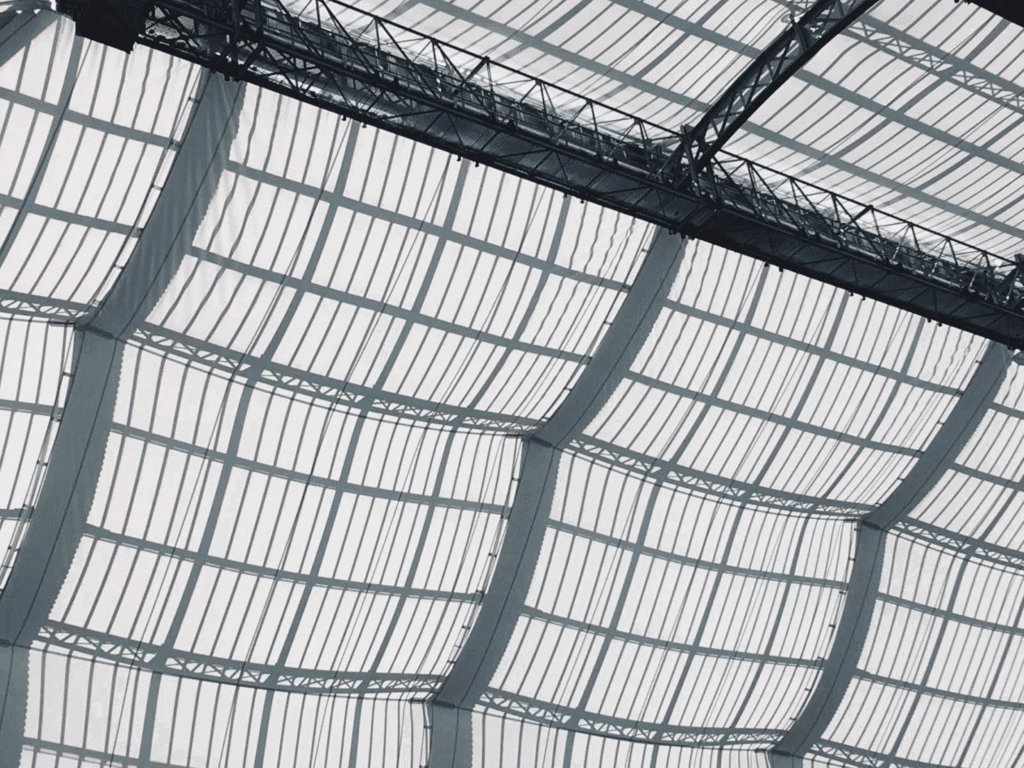
To host the 2024 events for fencing, wheelchair fencing, taekwondo, and para-taekwondo, the Grand Palais nave required precise control of the daylight under the glass roof to ensure optimal television broadcast quality. Elioth designed an interior shading system consisting of fabric sails attached to the existing structure.
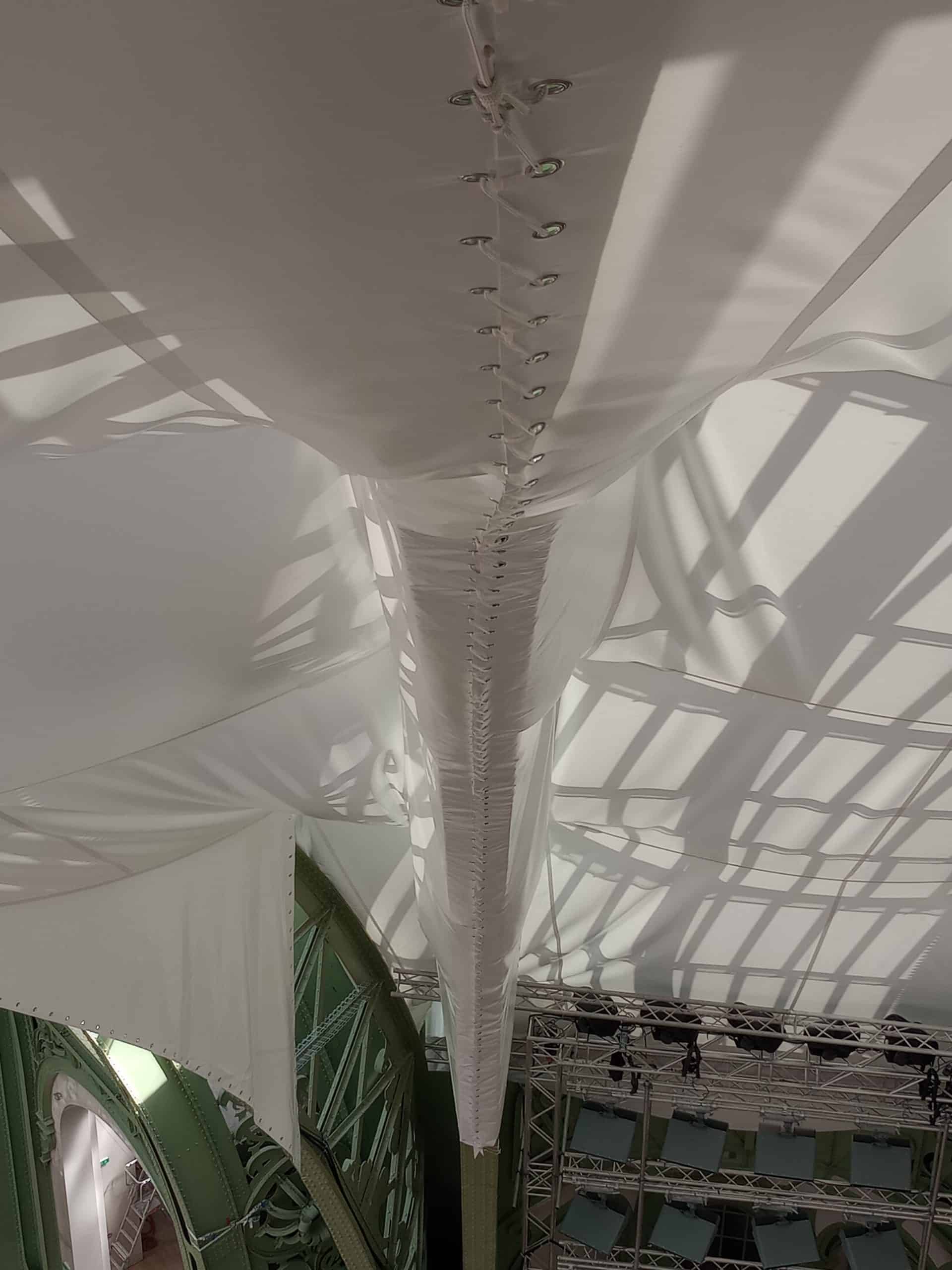
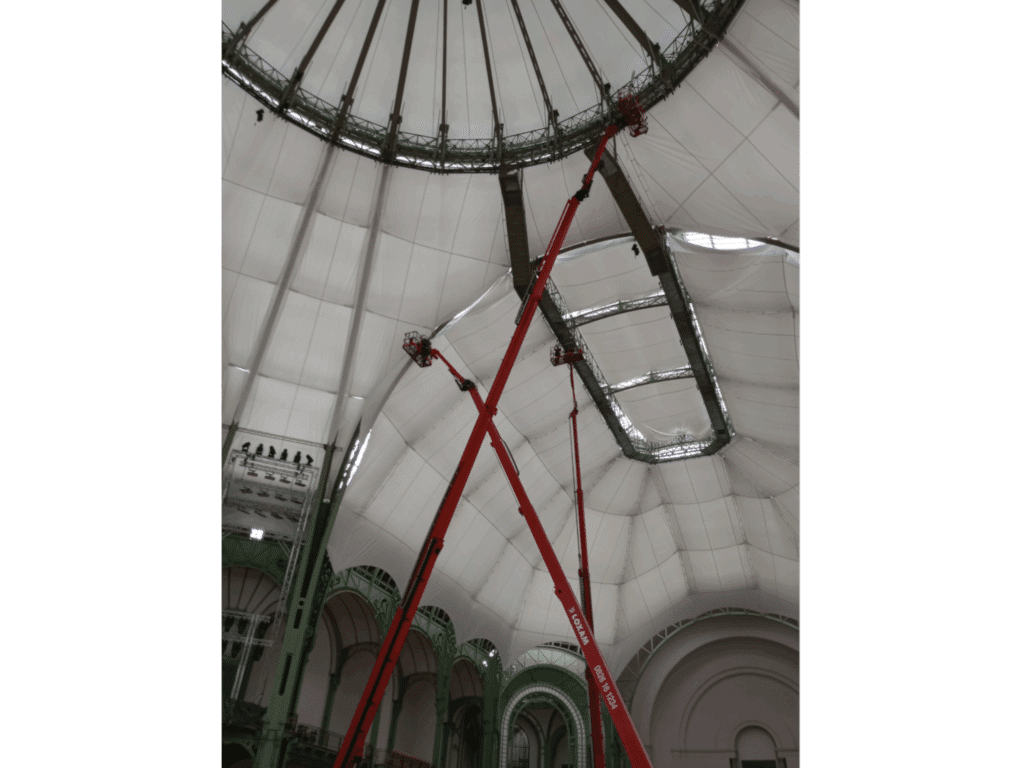
The solution aims to reduce and homogenize natural light, particularly over the competition area (FOP), which must receive neither direct sunlight nor cast shadows. The opaque sails are made in panels, complemented by connecting flaps that wrap around the structure to prevent any light leakage.
The project also had to meet strict scheduling constraints: the sails needed to be quickly installed and removed according to the Grand Palais’ accessibility periods, while respecting the production and manufacturing timelines of the materials.
Elioth defined the following objectives for natural lighting:
No direct sunlight on the entire identified competition area throughout the Olympic Games period, in order to avoid shadows and glare that could not be managed by cameras or artificial lighting.
Maximization of light uniformity (both spatially and temporally) over the identified competition area and within the cameras’ field of view during the specified period of the Games (July to September).
To validate these objectives and assess the luminous performance of the shading fabrics, several studies were conducted by Elioth’s environmental engineering team:
Maps of direct sunlight during July and August, corresponding to the Olympic period, to confirm the absence of direct radiation on the competition area.
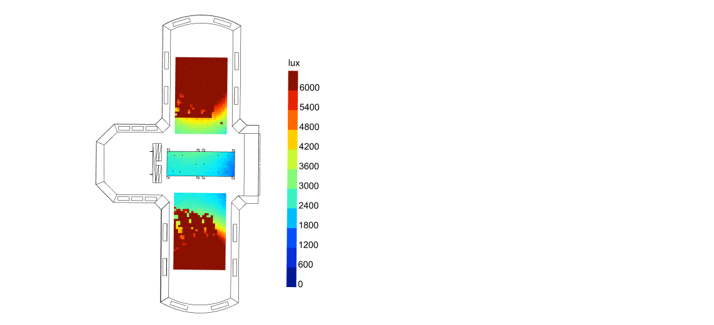
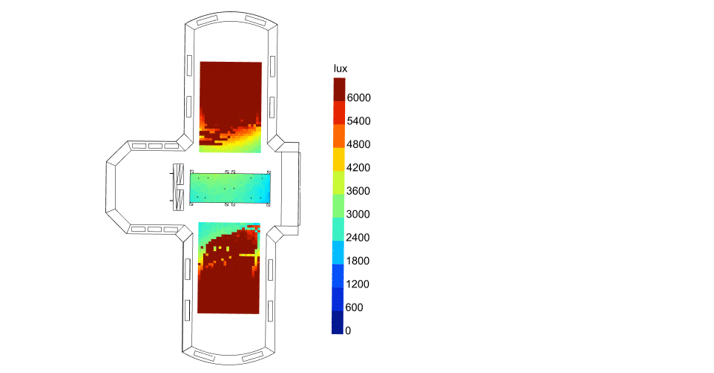
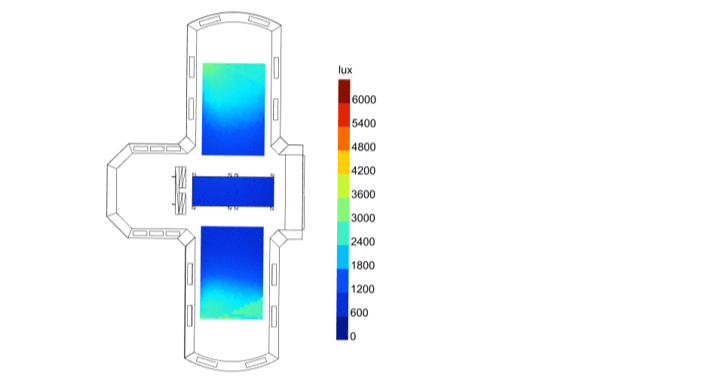
Illuminance maps at specific times of representative days, allowing evaluation of natural light contrast levels and providing a basis for future artificial lighting design.
Panoramic Heliodon views from key points of interest (identified as camera locations) inside the space, to schematically understand shadow distribution and identify areas of the glass roof requiring opaque shading. These views are qualitative.
Panoramic luminance views from simulations, taken from camera points of interest, to evaluate the natural light ambiance as perceived by a camera.
The developed solution fully meets the objectives: it eliminates all direct sunlight on the competition area and ensures uniform and stable natural lighting throughout the day, despite variations in the sun’s position and intensity.
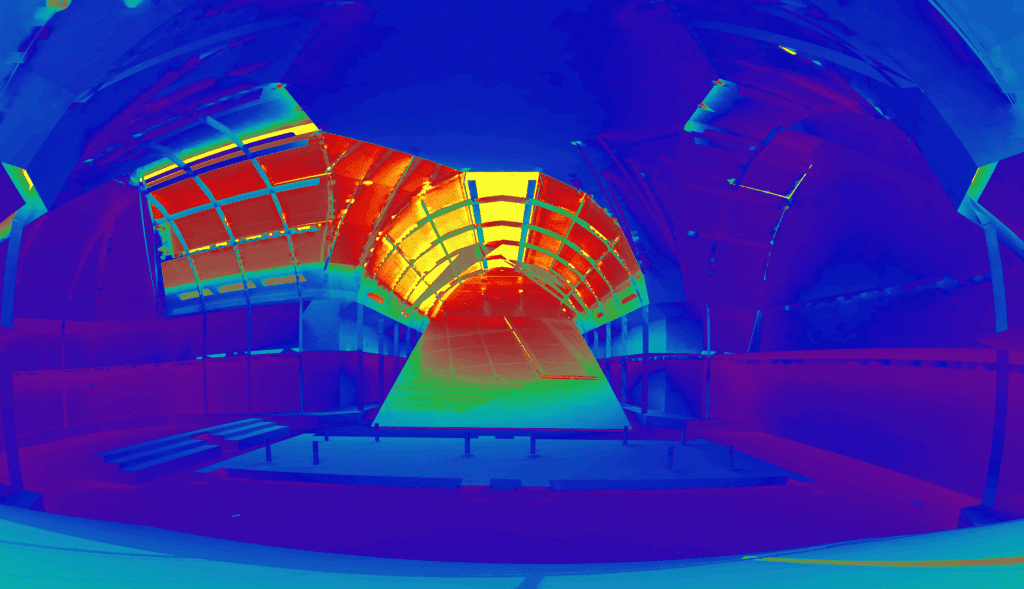
In this section, false-color camera views are presented. These views are derived from Radiance simulations and represent luminance images.
By definition, luminance represents the visual perception of brightness. This quantity measures the amount of light incident at the viewpoint (the eye or the camera) and therefore depends on the reflection of natural light on interior surfaces. These images thus characterize the lighting environment achieved inside the Grand Palais thanks to the screening solution, taking into account natural light only.
Camera view – 2 p.m.
Intervention on the existing structure
Acceptability of loads transmitted to the existing framework
The existing metal framework has a limited structural capacity and was not designed to support additional heavy elements. The solution therefore needed to minimize the loads applied at the attachment points and avoid creating any risk of instability for the metal structure.
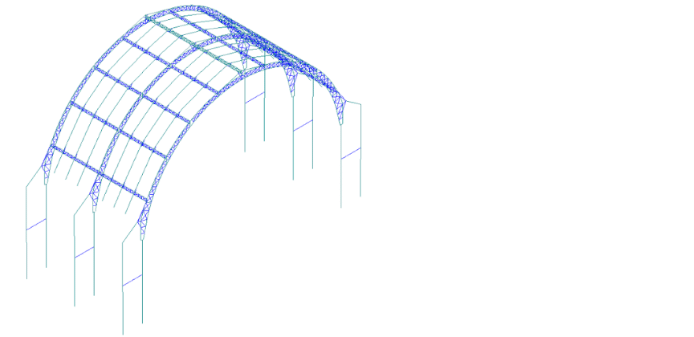
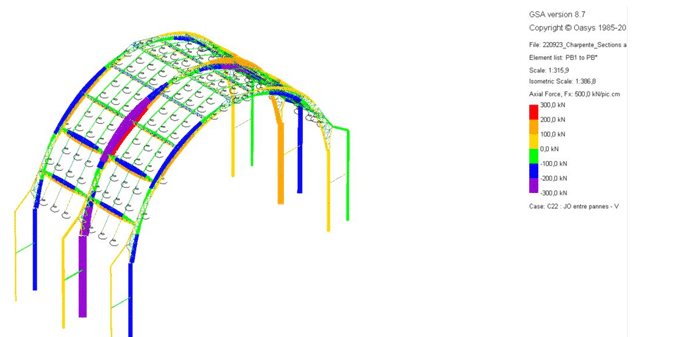
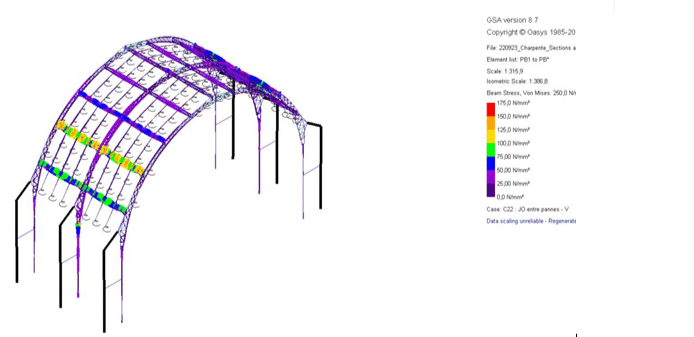
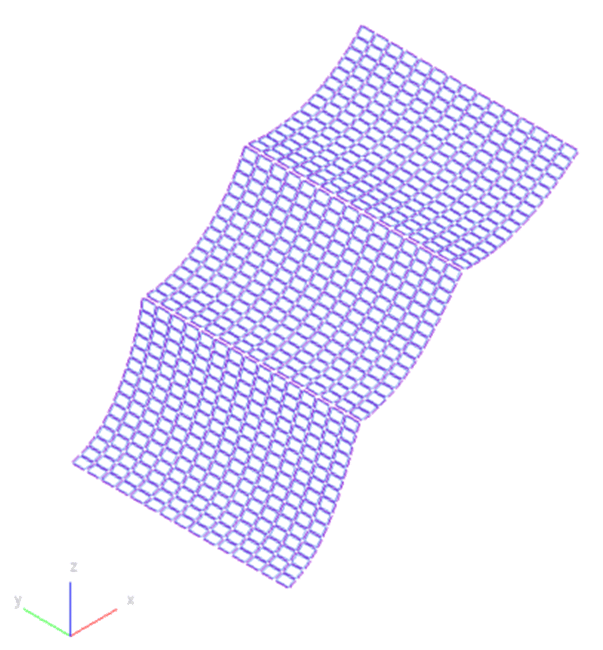
As the project involved a temporary structure for the duration of the Olympic Games, reductions in wind and snow loads were taken into account in accordance with Eurocode provisions. The load transfer associated with the installed shading elements was justified through a comparative analysis of the stresses transmitted through the existing framework and the deformations of elements for which instability risk could be increased:
Without the installed shading
With the installed shading, taking into account reduced wind and snow loads over the period of presence
Furthermore, the installation of the fabric panels was carefully designed to limit load introduction at the fixings and prevent any risk of instability for the metal framework.
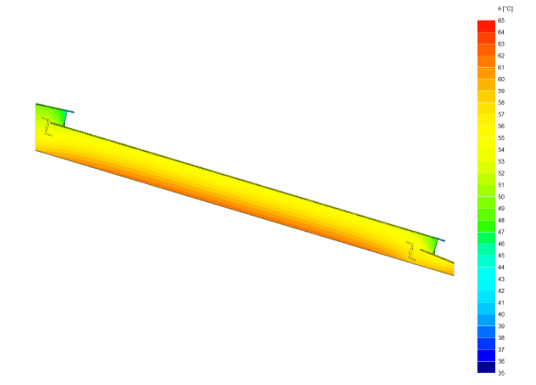
The installed shading system was designed to avoid thermal breakage of the Grand Palais glass panels under all configurations. Thermal breakage occurs when a temperature gradient develops within a single pane: the cold area restricts the expansion of the hot area, generating compression and tension stresses. Glass is weak in tension and will crack when these stresses exceed its resistance.
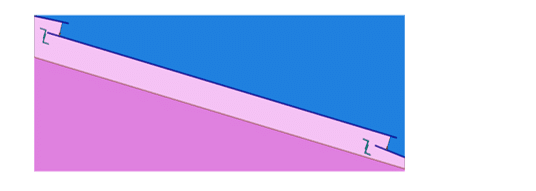
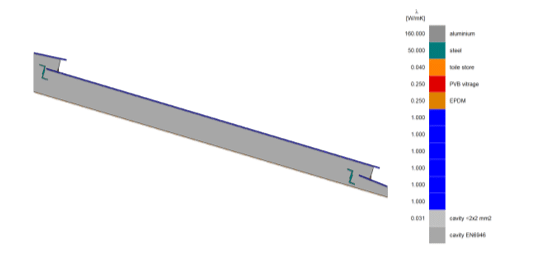
The glazing with the installed shading system was verified for temperature rise (laminated components) and thermal breakage risk depending on installation conditions, exposure, masking effects, and glass composition. Finite element software (Bisco) was used in conjunction with VD to determine the energy and light characteristics of the elements and to verify the thermal envelope, taking into account the actual geometry of the analyzed case.
The smoke extraction strategy relied on air inlets provided by the opening of the two carriage doors at the ends of the nave, complemented by a venting system consisting of a 400 m linear length at 1 m height. The shading system had to fully preserve the airflow necessary for the operation of ventilation openings and smoke extraction devices. The fabric panels were not allowed to obstruct smoke evacuation at the vents located at the top and bottom of the dome and the naves.
Due to the addition of the shading panels, smoke extraction studies were conducted to determine the volume required for smoke management at the Grand Palais. In these analyses, a reduction in the available volume was considered, assuming that the sails would always remain positioned at least 3 m away from the glazing.