Vue 2

© RPBW

Midstad Frankfurt

Contracting authority : JC Real Estate Holding KG
Architects : Renzo Piano Building Worshop (RPBW)
Location : Frankfurt, Allemagne
Surface area : 35 000 m²
Phases : 2024

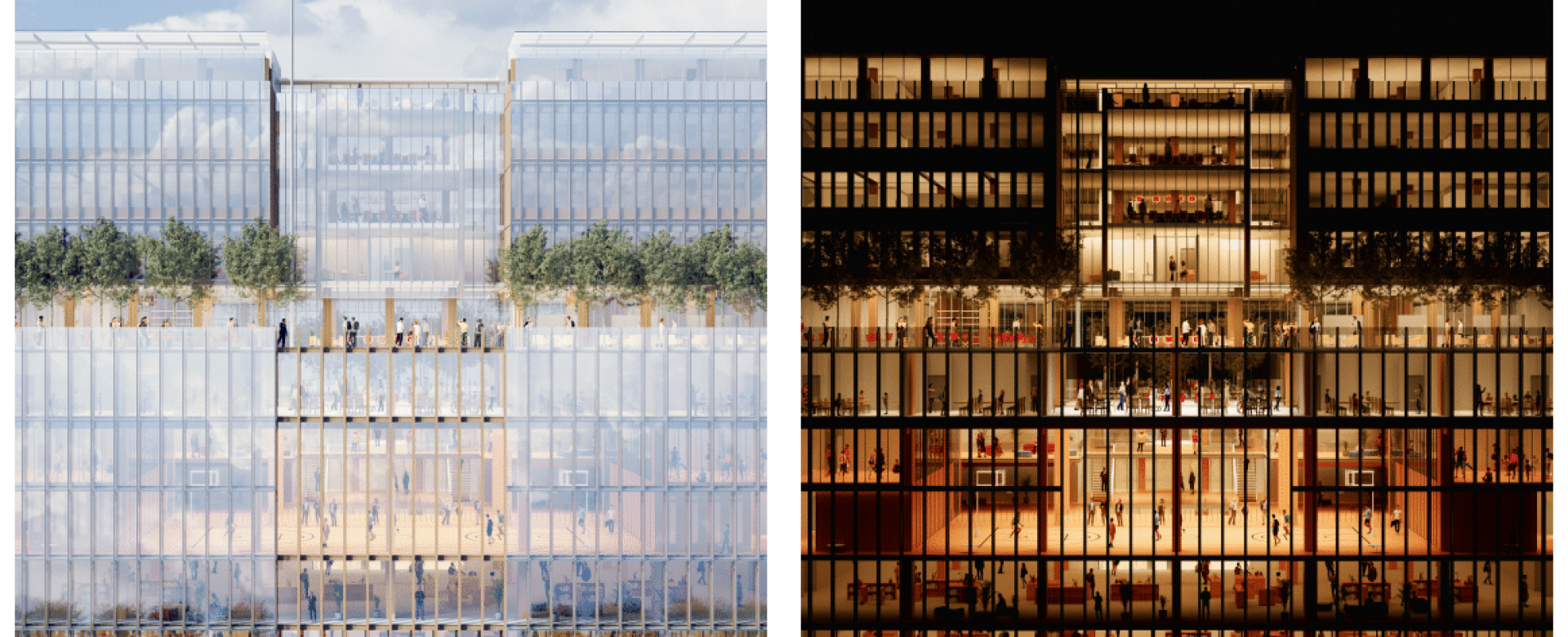
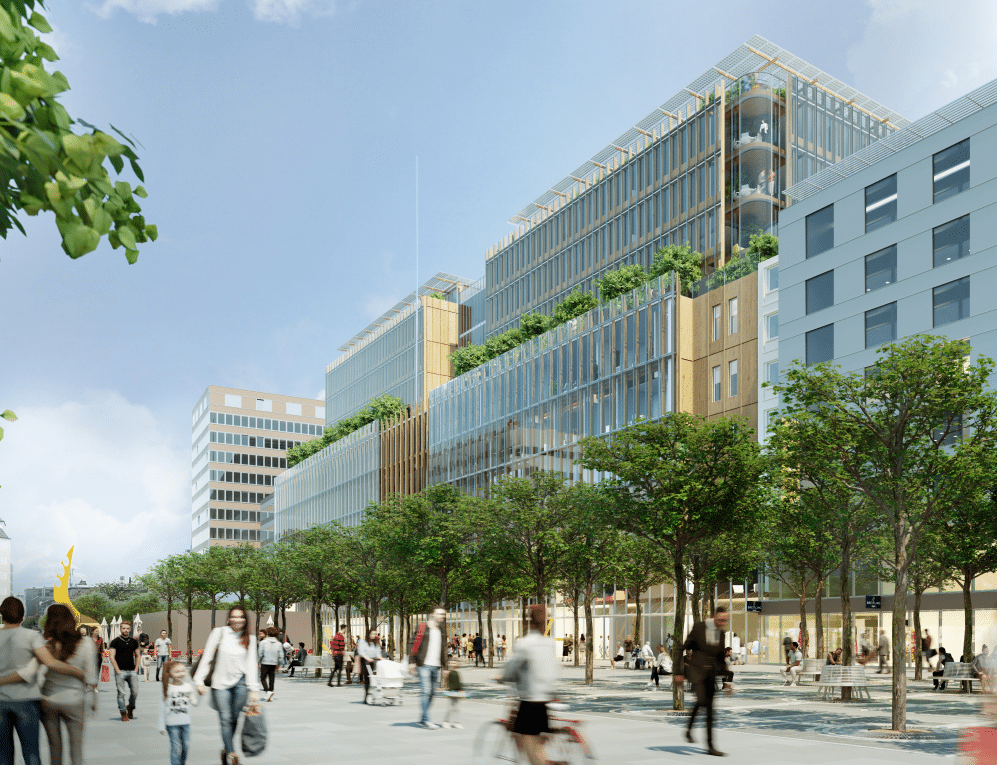
A shopping mall located in the heart of Frankfurt is set to undergo a major renovation. A large-scale, multi-storey vertical extension is planned above the existing concrete commercial base, hosting new and diverse programmes: a school, a sports centre, housing, offices, and more. Carbon and energy performance are at the core of the project.

The project is designed as a hybrid structural system composed primarily of timber and reinforced concrete. The façade is required to drastically reduce energy gains. The technical solutions are a direct response to the building’s functional and architectural organisation, particularly its very diverse uses and the need for long-term flexibility.

Expertise employed

The use of timber—especially in load-bearing structures—is essential to achieving the ecological ambitions of the Midstad project. All structural concepts aim to maximise timber usage while meeting the project requirements, including varied usages, durability, the existing structure, integration of technical equipment, fire protection and vibration comfort.

In standard areas, the structure consists of a hybrid timber-concrete floor made of a CLT slab connected to a reinforced concrete topping slab, all supported by a timber post-and-beam system.

Adaptation to the existing building and load transfer

The existing building has a 7.5 m grid with spans varying between 7 and 15 m. The challenge is therefore to transfer the point loads from the new timber columns of the vertical extension (with a grid adapted to this structural typology) down to the existing vertical load-bearing elements.

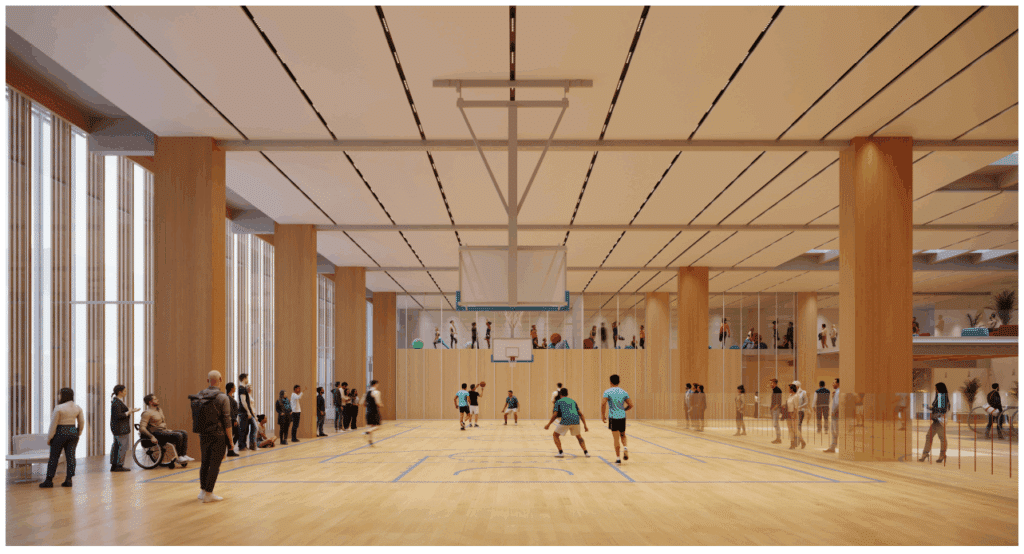
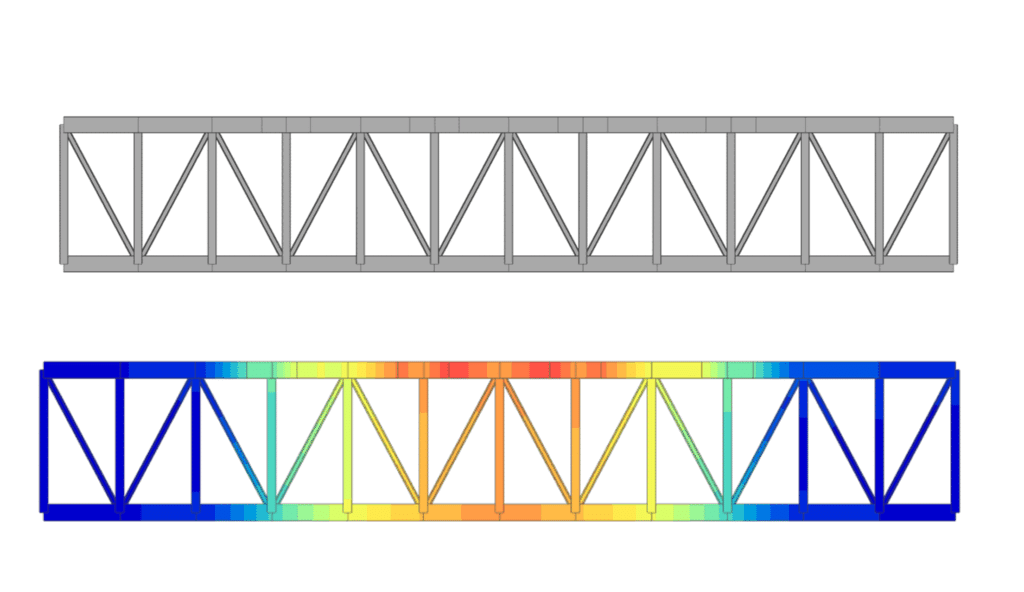
In addition, the multisport hall requires large spans and the removal of several existing columns; a timber truss of approximately 30 m span is created along the façade, resting on wall-beams that provide stiff support.

The use of beech LVL (BauBuche) makes it possible to reach higher structural capacities and further reduce the use of steel, supporting the project’s low-carbon ambitions.

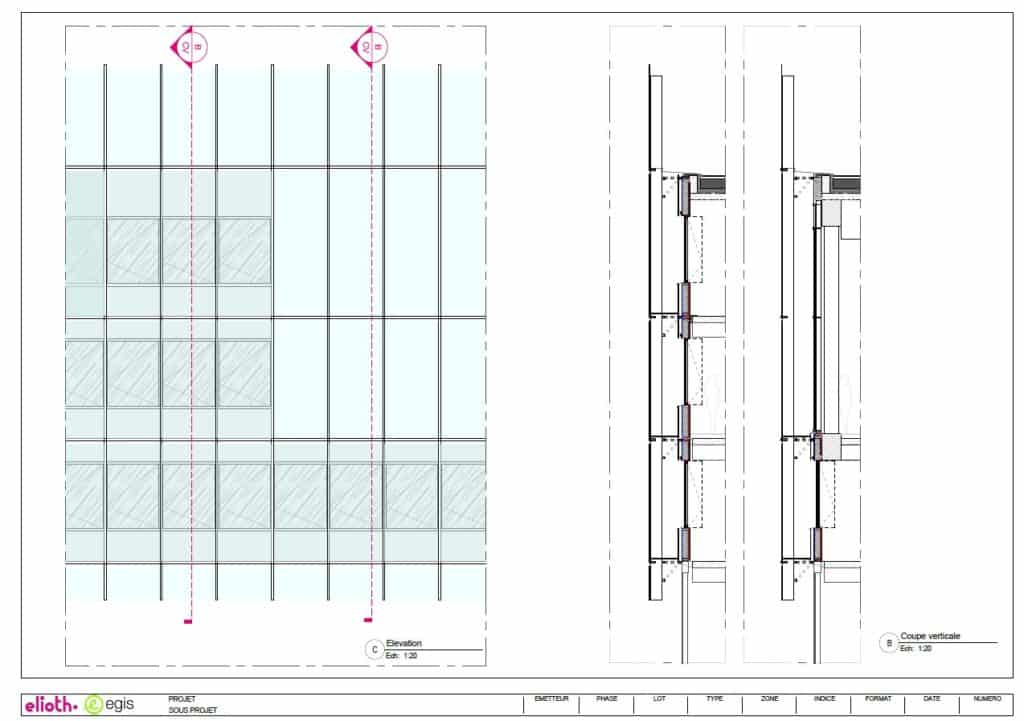
Elioth provided facade expertise to meet both the environmental ambitions and the architectural intent of the project. The following studies were carried out:

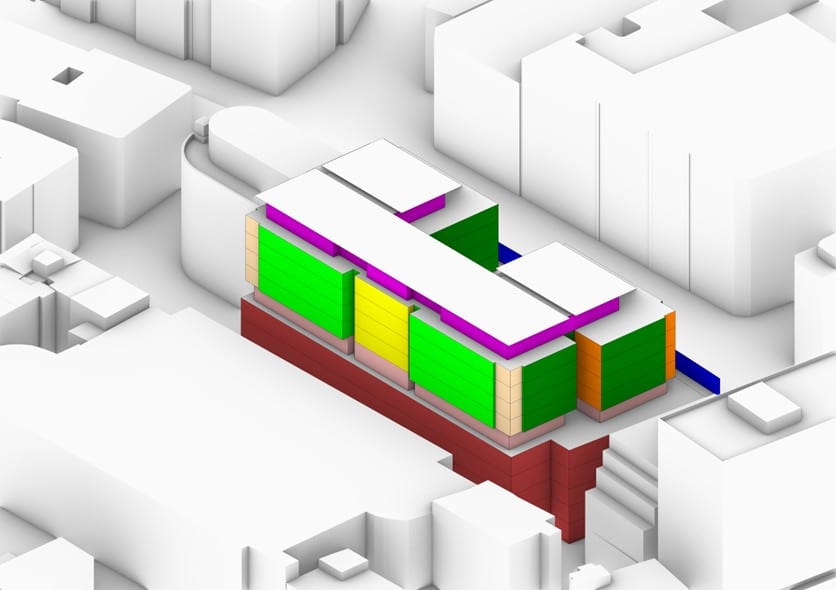
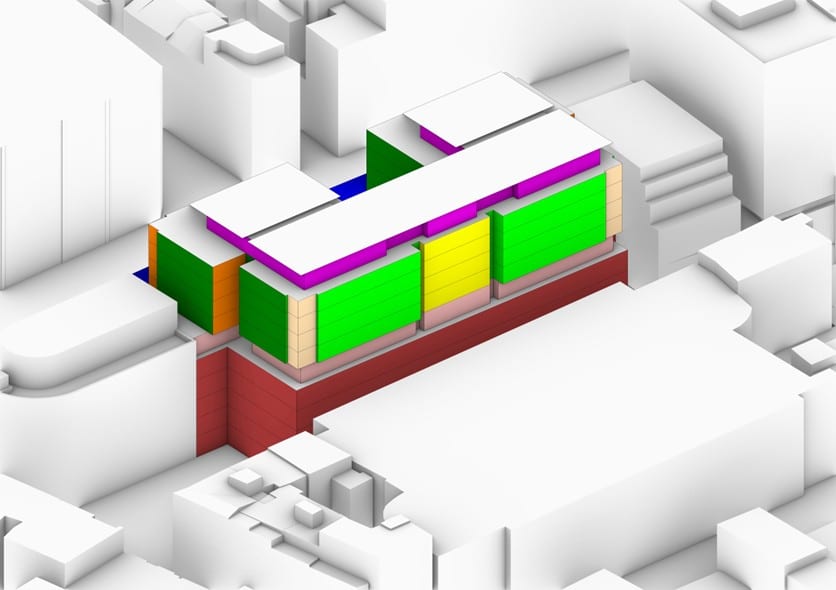
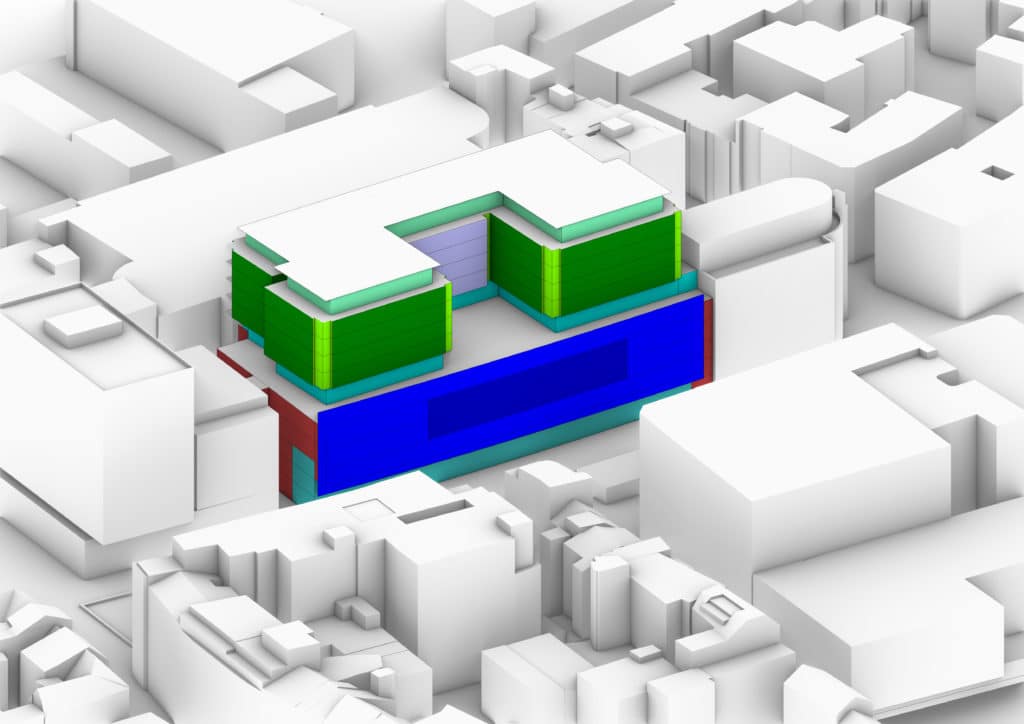
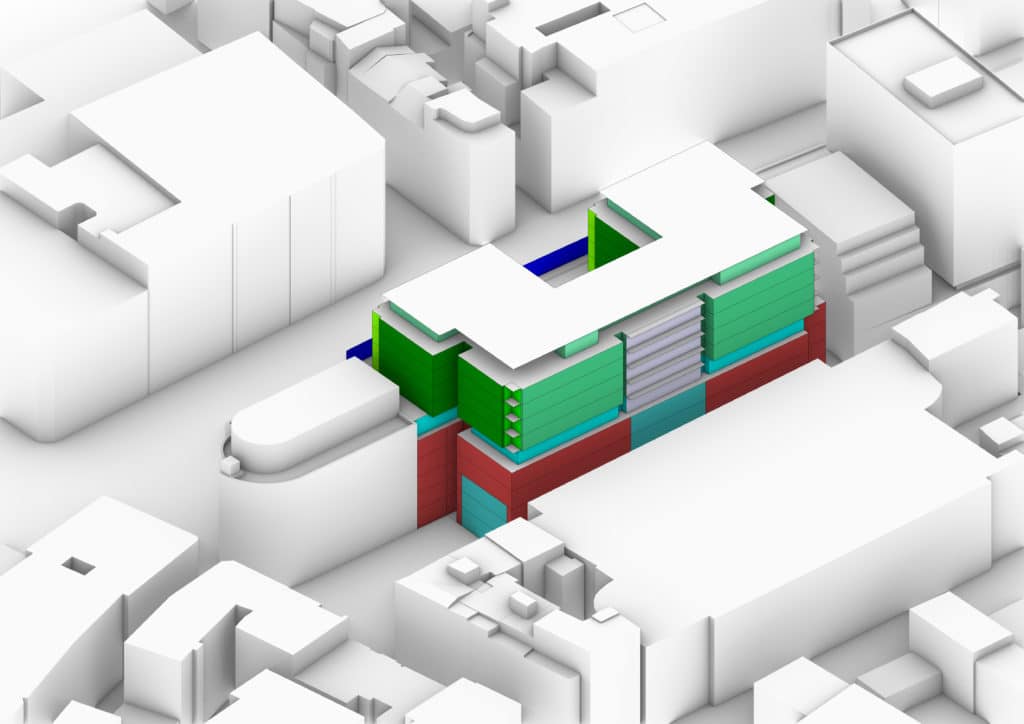
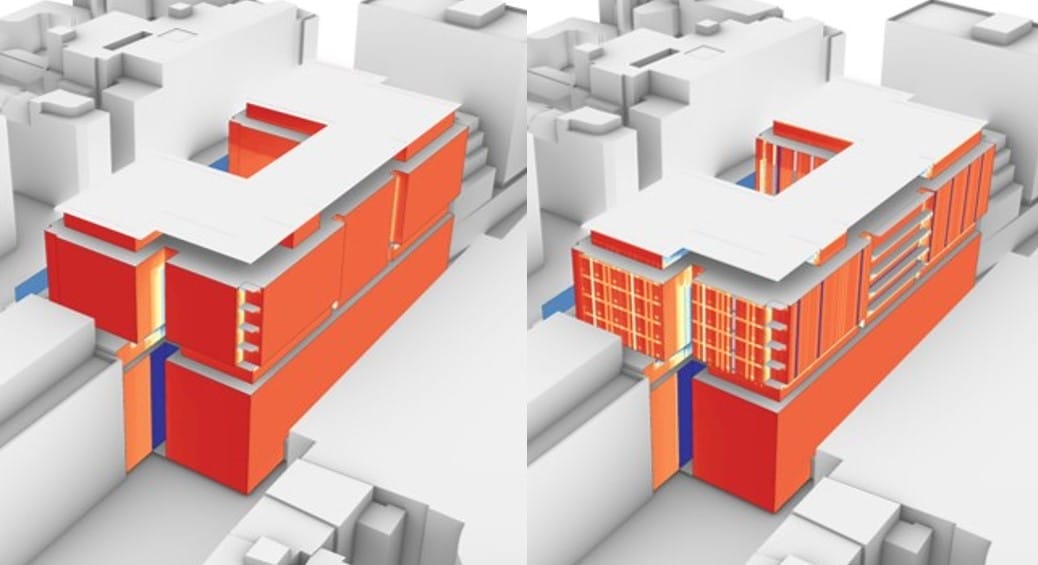
  • Assessment of solar gains depending on façade orientation to optimise façade technology and shading systems


  • Evaluation of the facade’s carbon footprint


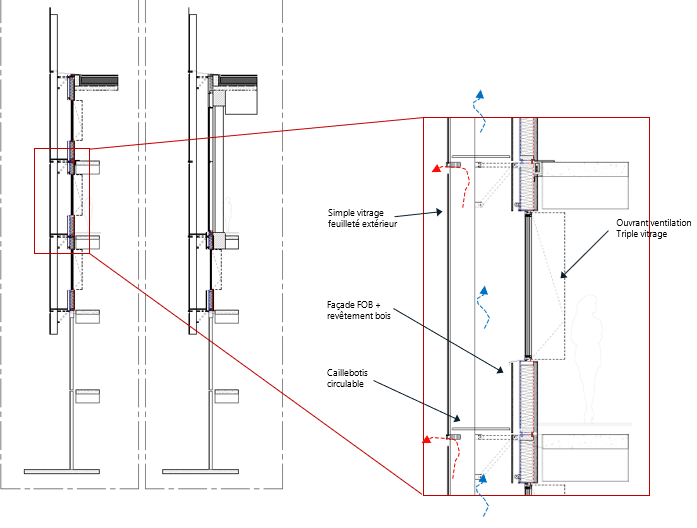
  • Integration of natural ventilation into the design


  • Optimisation of daylighting


  • Verification of the facade’s thermal performance


The building features:

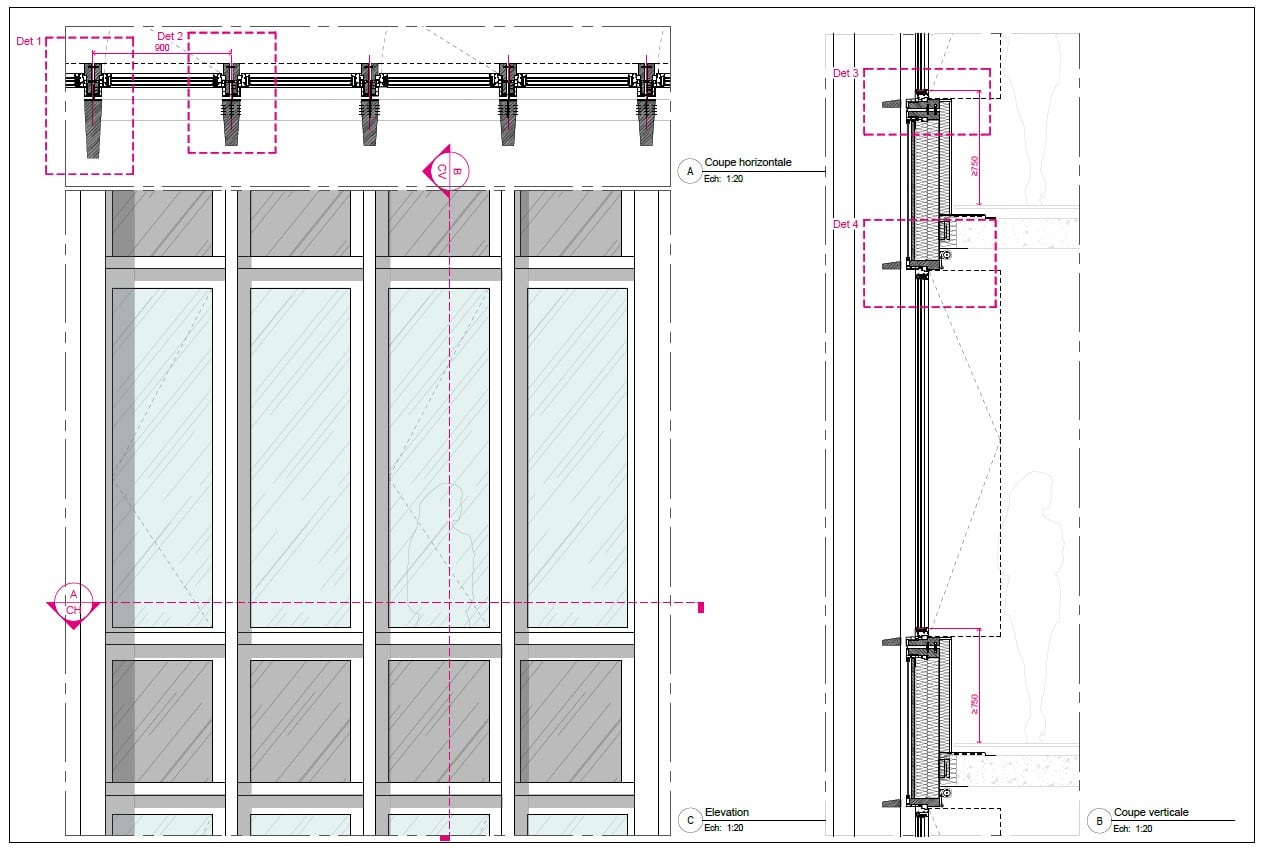
  • Double-skin façades with a timber structure for the main façade


  • FOB (Façade-On-Beam) façades for the base area


  • Timber unitised curtain walls for the vertical extension

Environmental studies focused on:

  • Building compactness and positioning to ensure effective natural ventilation


  • Monitoring of the project’s carbon footprint


  • Rainwater management to promote local infiltration and reduce discharge to urban networks


  • Visual comfort and optimisation of natural daylight


  • Management of solar gains

© RPBW

© RPBW

© Elioth

Technical drawing ©Elioth

©Elioth

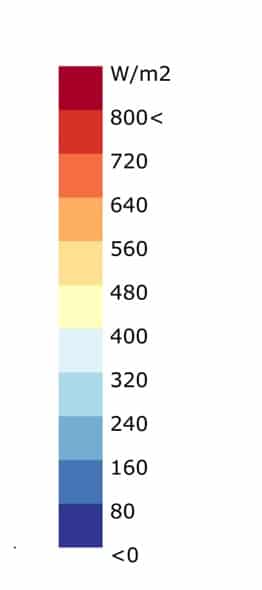
Irradiation modeling ©Elioth

CONNECTED HYBRID FLOORS (TIMBER–CONCRETE)

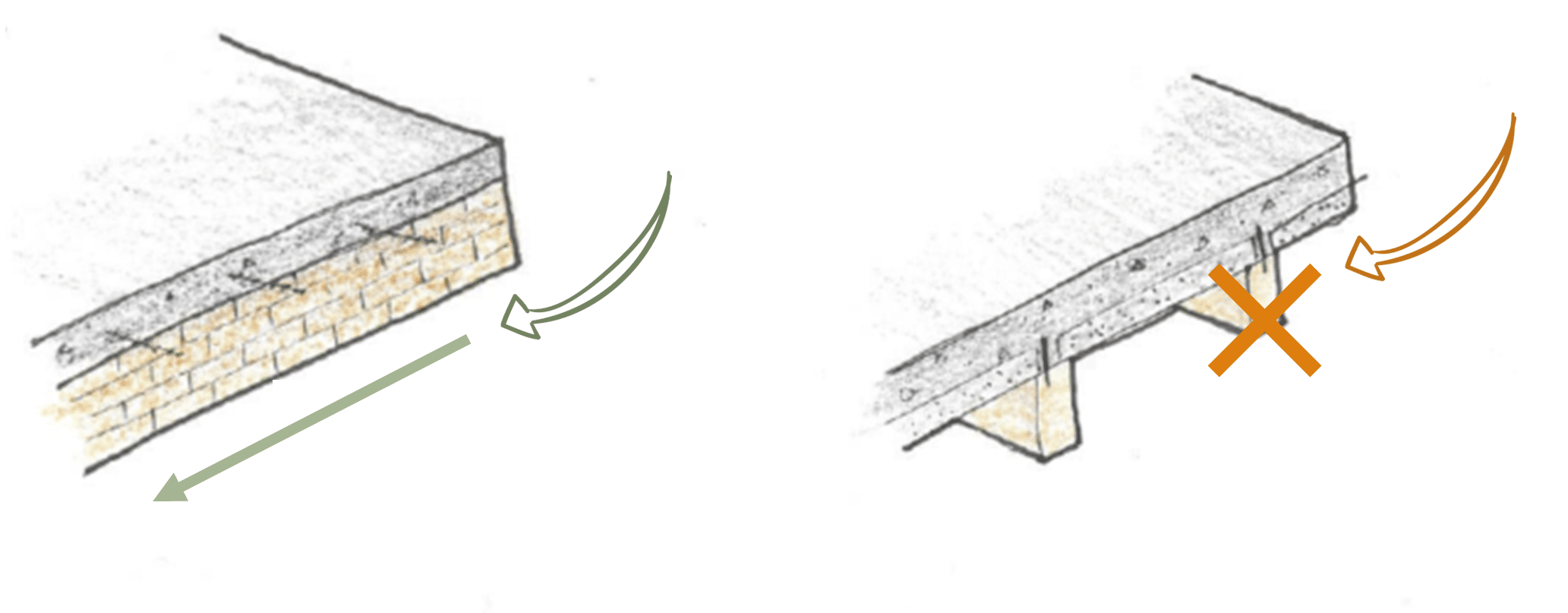
The use of a connected CLT–concrete hybrid slab offers many advantages and provides a simultaneous response to both technical requirements and architectural ambitions:

  • Structural performance: The hybrid structure optimises the amount of carbon-intensive materials by making the best use of their mechanical behaviour: concrete works in compression and CLT in bending. The slab also provides diaphragm action to the cores, ensuring horizontal stability.


  • Lightweight: Integration into an existing building makes structural weight a major issue. The extensive use of timber results in a lightweight structure, reducing the need for strengthening works on the existing building.


  • Simplicity: The absence of downstand beams simplifies MEP installation below the slab and limits the total floor depth, while ensuring maximum future flexibility.


  • Fire safety: The 8 cm concrete topping and the CLT slab achieve the required fire-resistance rating.


  • Acoustics and vibration comfort: The concrete topping provides the necessary mass to control structure-borne noise transmission between floors and ensure comfortable walking conditions.


  • Carbon and resources: The combination of timber and a lightly reinforced concrete topping significantly reduces the building’s carbon footprint.


  • Thermal performance: The concrete topping provides the thermal inertia essential to the building’s bioclimatic regulation.

Technical drawing ©Elioth

Find out more with...

Chloé GIRARDON

façades.

Vincent LEREST

responsable adjoint pôles façades.

Marco DANESI

façades.

Philosophy

Responding to the climate emergency by sustainably transforming urban fabric.

Elioth is a brand of the Egis group.

Egis Concept (Elioth + Openergy) is a collective that brings together all the facets of technical design to meet environmental challenges.

©2001-2024 Elioth – design by  betrue.fr
Legal Noticeprivacy policy